Questão de Inglês — Interpretação de Textos (Understanding) — VUNESP 2022
- Código
- vu154874
- Banca
- VUNESP
- Órgão
- UNIFESP
- Ano
- 2022
- Cargo
- Vest ( )
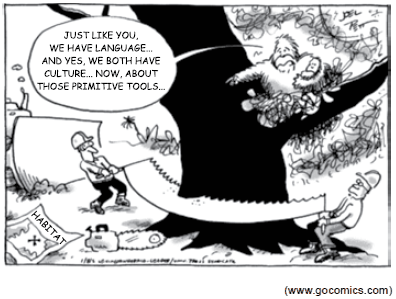
The accelerating loss of species around the globe is so extensive that many experts now refer to it as the sixth mass extinction. It’s driven in large part by an unprecedented loss of vital ecosystems such as forests and wetlands, the result of social and economic systems that are focused on constant growth.
The latest United Nations (UN) Biodiversity Conference, COP15, the second session of which is due to take place in December 2022, aims to implement ambitious measures for preventing biodiversity loss. The ultimate goal is to establish harmony between humans and nature by 2050. However, key players such as the body of conservation scientists that produces reports on biodiversity for the UN continue to prioritise human wellbeing above all else. This prioritisation may be the result of an anthropocentric culture that typically considers humans to be separate from and of greater value than other species.
To effectively address our extinction crisis, we need more than merely technical advances or policies that remain stuck in anthropocentric assumptions. Rather, we need fundamental changes in how we view nature and other species.
(Heather Alberro et al. https://theconversation.com, 08.06.2022. Adaptado.)
- Asaves the ecosystem by protecting the tree.
- Bdisregards the harmony between humans and nature.
- Cis an activist for animal supremacy.
- Dis not a follower of anthropocentrism.
- Eblames the two humans for the destruction of the forest.